Utility bills rarely spike overnight without a reason. More often, they creep upward month after month, driven by small inefficiencies that go unnoticed. A draft here, a poorly sealed window there, an aging system working harder than it should—these are the quiet culprits behind higher energy costs.
Property improvements offer a practical path forward. Rather than relying on short-term fixes, they address the root causes of energy waste. Some changes are simple and immediate, while others require planning and investment. Together, they create a more efficient environment that uses less energy to achieve the same level of comfort.
What makes this approach especially valuable is its cumulative effect. When multiple improvements work together, the results are not just noticeable—they’re measurable. Lower monthly bills, more consistent indoor temperatures, and reduced strain on systems all point to a property that is functioning the way it should.
For many property owners, the turning point comes when they realize their space is costing more to maintain than it should. That realization often leads to a deeper look at how energy is being used—and wasted—throughout the property.
Upgrade Cooling Systems for Better Energy Performance
Cooling systems are often the biggest energy consumers in a property, especially during warmer months. When they operate inefficiently, utility bills can climb quickly without delivering better comfort.
In many cases, the issue isn’t the system itself—it’s how it’s maintained. A neglected unit has to work harder to achieve the same results, using more energy in the process. Dust buildup, worn components, and airflow restrictions all contribute to this inefficiency.
Scheduling an ac tune up service can make a significant difference. Regular maintenance helps ensure that the system runs smoothly, identifies small issues before they become costly repairs, and improves overall performance.
Beyond professional maintenance, there are everyday habits that support efficiency:
- Keeping vents unobstructed by furniture or debris
- Replacing air filters on a consistent schedule
- Using ceiling fans to circulate cooled air more effectively
It’s also worth paying attention to how often your system cycles on and off. Frequent cycling can indicate inefficiencies that, if left unaddressed, will continue to drive up energy costs. Over time, even minor improvements in system performance can lead to noticeable savings.
A well-maintained cooling system doesn’t just reduce energy use—it creates a more stable and comfortable indoor environment. Instead of constant adjustments to the thermostat, the space maintains its temperature with less effort.
Use Window Treatments to Control Indoor Temperatures
Sunlight is both a benefit and a challenge. While natural light enhances a space, it also introduces heat that can quickly raise indoor temperatures. This is especially noticeable in rooms with large or unshaded windows.
One of the simplest ways to manage this is through window shades. These provide a barrier that reduces heat gain while still allowing light to filter through. When chosen carefully, they can significantly lower the amount of energy needed to cool a space.
Exterior solutions offer another layer of protection. Awnings, for example, block sunlight before it reaches the glass, preventing heat from entering in the first place. This proactive approach is often more effective than trying to cool a space after it has already warmed up.
A homeowner once described how a west-facing living room became nearly unusable in the afternoons due to intense heat. After installing exterior shading and adjusting interior coverings, the room not only became comfortable again but required far less cooling overall.
To make the most of these improvements:
- Focus on windows that receive direct sunlight during peak hours
- Combine interior and exterior solutions for better results
- Adjust coverings throughout the day rather than leaving them static
Another overlooked benefit is glare reduction. By controlling sunlight more effectively, you not only improve comfort but also reduce the need for artificial lighting during the day. These small efficiencies compound over time, contributing to lower overall energy use.
Improve Insulation and Wall Efficiency for Long-Term Savings
Walls do more than define a space—they act as a barrier between indoor comfort and outdoor conditions. When that barrier is compromised, energy loss becomes inevitable.
Poor insulation allows heat to escape in colder months and enter during warmer ones. This forces heating and cooling systems to compensate, often running longer and consuming more energy.
In some cases, the issue lies beneath the surface. Working with drywall contractors can help uncover hidden gaps, outdated insulation, or structural inefficiencies that aren’t immediately visible. Addressing these problems during renovations or repairs can lead to substantial long-term savings.
Consider a scenario where a homeowner notices one room is always colder than the rest of the house. After opening the wall, it becomes clear that insulation was either missing or improperly installed. Once corrected, the room’s temperature stabilizes, and the overall system no longer has to work as hard.
Improving wall efficiency often involves:
- Sealing gaps around outlets, windows, and framing
- Upgrading insulation materials to modern standards
- Repairing or replacing damaged wall sections
It’s also important to evaluate older construction methods that may no longer meet current efficiency standards. Updating these areas not only improves comfort but can significantly reduce heating and cooling costs over time.
Maintain Clean Flooring and Surfaces to Support HVAC Efficiency
Cleanliness isn’t usually the first thing that comes to mind when thinking about energy efficiency, but it plays a surprisingly important role. Dust, dirt, and allergens can accumulate over time, affecting both air quality and system performance.
When particles circulate through the air, they can clog filters and restrict airflow. This forces HVAC systems to work harder, increasing energy consumption and reducing efficiency.
Regular cleaning helps prevent this buildup. In particular, scheduling a rug washing service can remove deep-seated debris that standard vacuuming may miss. Clean surfaces contribute to better airflow and a healthier indoor environment.
Imagine a home where the air feels heavy despite the system running constantly. After a thorough cleaning, including deep treatment of rugs and carpets, the difference becomes noticeable. Air moves more freely, and the system no longer struggles to maintain comfort.
To support this process:
- Use high-quality vacuum cleaners with effective filtration
- Clean high-traffic areas more frequently
- Address spills and stains promptly to prevent buildup
Maintaining a consistent cleaning routine not only supports efficiency but also extends the lifespan of your HVAC system, reducing the need for frequent repairs or replacements.
Seal and Protect Property From Hidden Energy Loss
Energy loss often occurs in places that aren’t immediately obvious. Small openings, damaged materials, and unnoticed intrusions can all compromise a property’s efficiency.
One overlooked factor is the impact of pests. When insects or rodents enter a structure, they can damage insulation, create entry points, and disrupt the integrity of walls and ceilings. Over time, this leads to increased energy loss.
Working with a pest control company can help address these issues before they escalate. By identifying and sealing entry points, they contribute not only to a healthier environment but also to improved energy performance.
The process typically involves inspecting vulnerable areas such as attics, crawl spaces, and exterior walls. Once problem areas are identified, they can be sealed or reinforced to prevent further intrusion.
It’s also helpful to routinely inspect weather stripping and door seals, as these are common areas where energy loss occurs. Addressing these small issues early can prevent larger inefficiencies later on.
This kind of proactive approach reduces the likelihood of ongoing damage and helps maintain a consistent indoor climate.
Upgrade Outdoor Surfaces to Reduce Heat Absorption
Outdoor surfaces play a larger role in energy efficiency than many people realize. Materials like asphalt and concrete absorb heat during the day and release it slowly, contributing to higher surrounding temperatures.
This effect can influence indoor conditions, especially in properties where outdoor surfaces are close to walls or windows. The added heat increases the demand on cooling systems, leading to higher energy use.
Upgrading these surfaces through a paving service can help mitigate this issue. By choosing materials that reflect rather than absorb heat, it’s possible to reduce the overall temperature around the property.
In some cases, even small changes—like replacing a dark driveway with a lighter alternative—can make a noticeable difference. Pairing this with landscaping elements such as shade trees or ground cover enhances the effect.
Additionally, permeable paving options can help regulate temperature while improving drainage, creating a more balanced outdoor environment that supports energy efficiency.
Improve Drainage and Ground Conditions Around Property
Water and energy efficiency are more connected than they might seem. Poor drainage can lead to moisture buildup, which affects insulation and structural integrity.
When water accumulates around a foundation, it can seep into basements or crawl spaces, creating damp conditions. Moisture reduces the effectiveness of insulation and can lead to mold growth, both of which impact energy performance.
Addressing these issues often requires working with an excavation company. Proper grading ensures that water flows away from the structure, protecting both the foundation and the systems inside.
The process may involve reshaping the land, installing drainage solutions, or reinforcing vulnerable areas. While these improvements are often out of sight, their benefits are far-reaching.
A dry, well-maintained foundation supports consistent indoor temperatures and reduces the strain on heating and cooling systems. It also helps prevent costly structural repairs that can arise from prolonged moisture exposure.
Optimize Waste Management to Reduce Energy Costs
Clutter and waste don’t just affect appearance—they can influence how efficiently a property operates. Accumulated materials can block airflow, restrict access to key systems, and create environments that are harder to maintain.
Efficient waste management helps keep spaces clear and functional. Partnering with a reliable trash pickup company ensures that waste is removed regularly, preventing buildup that could interfere with daily operations.
This is particularly important in areas like utility rooms, garages, or outdoor spaces where systems need adequate airflow and accessibility. When these areas are clear, maintenance becomes easier, and systems perform more effectively.
It’s also worth considering how organization impacts daily habits. When spaces are easier to navigate and maintain, it becomes more likely that routine upkeep tasks are completed on time.
Invest in Storm Protection to Prevent Energy Loss
Extreme weather events can undo years of careful improvements in a matter of hours. High winds, heavy rain, and sudden temperature shifts all put stress on a property’s structure.
Investing in protective measures helps reduce this risk. Custom storm shelters, for example, provide a secure space while also reinforcing the overall resilience of a property. Stronger structures are less likely to suffer damage that leads to energy loss.
Even minor weather-related damage—like a loosened panel or a small leak—can create openings for air exchange. Over time, these issues compound, making systems work harder to maintain indoor comfort.
Preparing for these scenarios involves more than emergency planning. It’s about building a property that can withstand external pressures without compromising efficiency. Reinforcing roofing, securing windows, and maintaining structural integrity all contribute to long-term savings.
Combine Multiple Improvements for Maximum Efficiency Gains
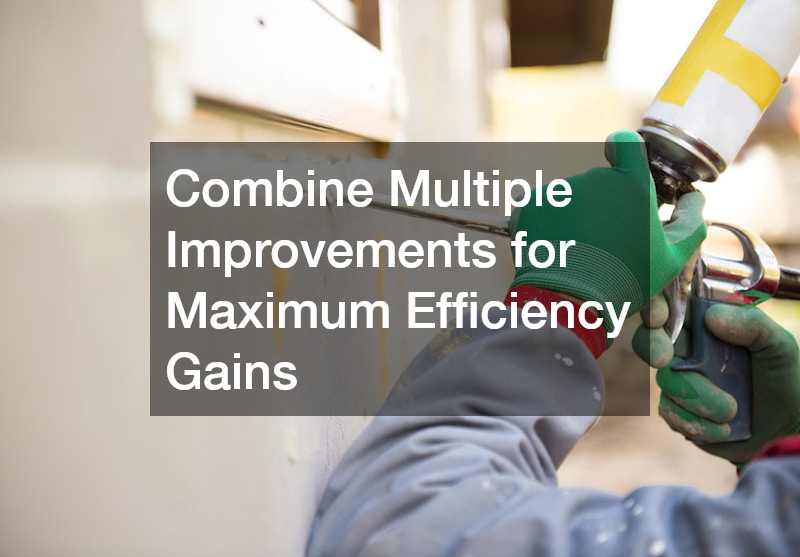
No single upgrade can fully optimize energy use. The most effective results come from combining multiple improvements into a cohesive strategy.
This doesn’t mean tackling everything at once. Instead, it’s about identifying priorities and building a plan that evolves over time. An energy audit can be a useful starting point, highlighting areas where improvements will have the greatest impact.
From there, changes can be made gradually:
- Addressing immediate issues like maintenance and sealing
- Planning larger upgrades, such as insulation or exterior improvements
- Monitoring results and adjusting strategies as needed
Tracking your utility bills over time can also help measure progress. Seeing consistent reductions reinforces the value of these efforts and helps guide future decisions.
Each step builds on the last, creating a property that becomes more efficient with every improvement.
A Smarter Path Toward Lower Utility Bills
Reducing utility costs isn’t about finding a single solution—it’s about understanding how different elements of a property interact. From the systems that regulate temperature to the surfaces that absorb heat, every component plays a role.
By taking a thoughtful, proactive approach to property improvements, it’s possible to create a space that works with you rather than against you. The result is not just lower bills, but a more comfortable, resilient, and efficient environment overall.
Over time, these improvements shift the way a property performs. Instead of reacting to rising costs, you’re actively shaping a more efficient future—one upgrade at a time.